


Housing Market Predictions for 2026: Trends, Forecasts and Regional Insights
Housing market predictions for 2026 point to a balanced reset year with 1-2% national price growth, mortgage rates averaging 6.1-6.3% and 4.24-4.26 million existing home sales—a 14% increase from 2025. This marks the most favorable buyer conditions in nearly a decade, with inventory levels improving and monthly payments declining for the first time since 2020.
Housing market outlook 2026: Reset year brings new opportunities
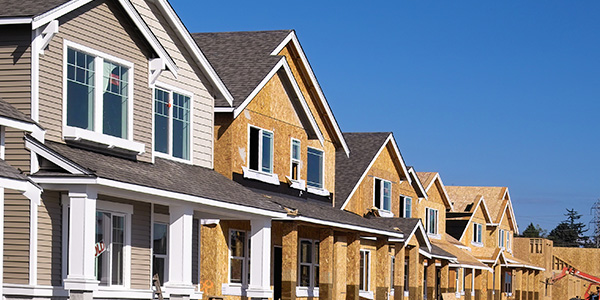
Sales volume is recovering with a projected 14% nationwide increase in existing home sales, according to the National Association of Realtors (NAR).¹ Price growth is slowing to sustainable levels with forecasts ranging from 0.5% to 2% nationally.²
This balanced environment creates opportunities for prepared buyers while offering sellers realistic expectations for their transactions.
2026 national market predictions: The numbers
Price growth forecasts
Housing economists project modest price growth for 2026:
- National average: 0.5% to 4% price growth, with most forecasts in the 1%-2% range³
- Median home price: Expected to be around $415,000 based on late 2025 data⁴
- Year-over-year change: Significant slowdown from previous years' double-digit gains
This represents the most sustainable price growth rate since 2019. The slowdown reflects improved market balance between supply and demand.
Sales volume recovery
Transaction activity is rebounding after hitting historic lows:
- Projected sales: 4.24-4.26 million existing home transactions⁵
- Volume increase: 14% rise from 2025 levels according to NAR⁶
- Market activity: Moving away from the 4 million sales floor that persisted for years
The sales recovery indicates buyer confidence is returning as affordability conditions improve.⁷
Mortgage rate stabilization
Interest rates remain elevated but have shown improvement:
- Current average: 30-year fixed rates at 6.22% as of March 19, 2026⁸
- 2026 projection: Rates expected to average around 6.1%-6.3% throughout the year⁹
- Rate volatility: Periodic dips below 6% creating strategic buying opportunities¹⁰
Lower rates are offsetting modest price growth, making monthly payments more manageable.
2025 vs. 2026 market comparison: The reset in numbers
| Market Metric | 2025 | 2026 | Change |
|---|---|---|---|
| Median home price |
~$410,000 |
~$415,000 |
+$5,000 (+1.2%) |
| Annual price growth |
4%–5% |
1%–2% |
-3 percentage points (moderation) |
| Existing home sales |
4.24-4.26M |
3.72M |
+0.52-0.54M (+14%) |
| Mortgage rates (30-yr fixed) |
6.5%–7.0% |
6.1%–6.3% |
-0.4 to -0.9 percentage points |
| Days on market | 45-50 days | 67 days | +17-22 days (more time to decide) |
| Inventory levels | 4.8 months | 5.1 months | +0.3 months (more choices) |
| Buyer price concessions | 7% average discount | 7.9% average discount | +0.9 percentage points |
| Homebuyer buying power | Baseline | +$30,000 | Better affordability |
What this means: The market is transitioning from a seller's advantage to a buyer's advantage, with slower price growth, more inventory and improved affordability
Regional market divergence: Where opportunities exist
Northeast and Midwest: Strong demand markets
These regions are emerging as 2026's hottest housing markets:
Top-performing cities:
- Hartford, Conn.
- Rochester, N.Y.
- Worcester, Mass.
- Indianapolis, Ind.
- Kansas City, Mo. (5.2% year-over-year price growth, $320,711 median)¹¹
Why these markets are thriving:
- Persistent inventory shortages driving competition, especially in the Northeast and Midwest markets¹²
- Buyers seeking affordable alternatives to high-cost metros
- Strong local job markets supporting demand
Sunbelt and West: Market cooling
Previously hot markets are experiencing corrections:
Cooling markets:
- Austin, Texas
- Tampa, Fla.
- Phoenix, Ariz.
- Denver, Colo.
- Portland, Ore.
Contributing factors:
- Oversupply from the pandemic construction boom
- Price corrections bringing markets back to sustainable levels in the Sunbelt and West regions¹⁵
- Reduced migration from higher-cost areas
Buyer-friendly metro areas:
These cities offer the best combination of inventory and affordability¹³:
- Atlanta, Ga.
- Charlotte, N.C.
- Birmingham, Ala.
- San Antonio, Texas
- St. Louis, Mo.
- Detroit, Mich.
5-step guide: Am I ready to buy in 2026?
Follow this checklist to determine if now is the right time for your home purchase:
Step 1: Build your down payment
Make sure you have saved at least 3-5% of the home price. If you can save 10-20%, you'll lower your monthly payment and avoid extra insurance costs. If you're short on funds, research down payment assistance programs in your state; many are expanding for first-time buyers in 2026.
Step 2: Check your credit score and debt
Review your credit report for errors and pay down existing debts to improve your debt-to-income ratio. Lenders want your total monthly debt payments (car loans, credit cards, student loans) to be less than 43% of what you earn before taxes. A score of 620+ qualifies for most programs; 740+ gets the best rates.
Step 3: Verify stable employment and income
Lenders want to see 2+ years of employment history with the same employer (or in the same field). If you've changed jobs recently, wait 90 days or more after starting your new job before applying.
Self-employed buyers typically need two years of tax returns showing consistent or growing income.
Step 4: Build a 6-month emergency fund
After saving your down payment, set aside emergency funds covering six months of living expenses. This buffer protects you if your income drops after buying. Lenders review your savings to confirm financial stability.
Step 5: Get pre-approved (before rate drops)
Work with Associated Bank's mortgage specialists to get pre-approved. When rates dip below 6%, demand surges quickly, homes sell faster and bidding wars return. Being pre-approved puts you in a position to act immediately and compete confidently. Associated Bank's lending team can pre-approve you in 24-48 hours.
Ready for Step 5? Contact our mortgage specialists today for a free pre-approval consultation.
For ready buyers: Act when rates dip
Financially prepared buyers should monitor rate movements closely. When mortgage rates drop, demand surges quickly in today's rate-sensitive market.
Green-light indicators:
- Stable employment and income
- Down payment saved
- Pre-approval secured
- Emergency fund intact
For hesitant buyers: Timing considerations
Reasons to buy now:
- Most balanced market conditions in nearly a decade
- Seller concessions becoming more common
- Inventory levels 6.8% higher than last year¹⁴
Reasons to wait:
- Further rate decreases possible
- More inventory coming to market
- Regional price corrections still occurring in some areas
Market balance benefits buyers
Current market conditions favor buyers more than sellers:
- Supply levels: 5.0-month inventory (balanced market is 4-5 months)¹⁶
- Negotiation power: Nearly two-thirds of buyers received discounts off list price in 2025, with typical buyers receiving 7.9% price cuts.¹⁷
- Time to decide: Less pressure from competing offers in most markets
The great housing reset: Long-term market shift
The housing market is experiencing what experts call "The Great Housing Reset"—a period of gradual increases in home sales and normal pricing as affordability gradually improves.¹⁸
What this reset means
For buyers:
- More time to find the right home
- Increased negotiation opportunities
- Realistic pricing expectations
- Less bidding war pressure
For sellers:
- Homes staying on the market longer
- Price reductions becoming common
- Buyer contingencies returning
- Professional staging and presentation more important
Market stabilization indicators
Several metrics show the market is stabilizing:
- Home price growth aligns with income growth.
- Inventory levels are approaching historical norms.
- Days on market trending toward pre-pandemic levels at 51 days.¹⁹
- Mortgage applications increasing with rate improvements.
First-time buyer opportunities
Entry-level buyers are seeing improved conditions:
- Builders focusing on smaller, affordable starter homes
- FHA and conventional loan programs offering competitive rates
- Down payment assistance programs expanding in many areas
- Seller concessions helping with closing costs
What is the lock-in effect? Understanding why homes aren't for sale
Lock-in effect = When existing homeowners refuse to sell their homes because they're locked into historically low mortgage rates. Moving to a new home would mean losing that low rate and refinancing at today's much higher rates, making the monthly mortgage payment significantly more expensive.
Example: A homeowner with a 3% mortgage on a $350,000 home pays about $1,476 per month in principal and interest. Selling and buying the same home today at 6.2% would cost $2,135 per month, an increase of $659 per month. This discourages sellers from listing, creating artificial inventory shortages in many markets.
Why existing homeowners stay put
Many homeowners remain reluctant to sell due to rate disparities:
- Current mortgage rates: Many are locked in at 3% or lower
- Today's rates: New mortgages around 6.25%
- Payment impact: Moving could double monthly interest costs
Market impact
This lock-in effect continues to influence market dynamics:
- Existing inventory: Remains constrained in many areas
- New construction: Gaining market share as an alternative
- Regional variations: More pronounced due to limited resale inventory
New construction: Meeting market demand
Builder strategies
Homebuilders are adapting to current market conditions:
- Focus on affordability: Smaller homes targeting first-time buyers
- Regional concentration: Building where land and labor costs are lower
- Incentive packages: Rate buydowns and closing cost assistance
Construction market outlook
New home sales show promising trends:
- Inventory advantage: New homes offer more choices than the resale market.
- Customization options: Buyers can select finishes and features.
- Energy efficiency: New homes meet the latest efficiency standards.
- Warranty protection: Builder warranties provide peace of mind.
Technology and sustainability trends
Digital real estate tools
Technology continues transforming home buying:
- AI-powered search: Better matching buyers with suitable properties
- Virtual reality tours: Immersive property viewing experiences
- Digital transactions: Streamlined paperwork and closing processes
- Market analytics: Real-time pricing and trend analysis
Green home demand
As oil and gas prices soar, sustainable features can be increasingly important:
- Energy efficiency: Solar panels and smart home systems
- Eco-friendly materials: Sustainable building products
- Utility savings: Lower long-term operating costs
- Resale value: Green features adding market value
Mortgage market outlook for 2026
Rate projections
Multiple factors influence mortgage rate trends:
- Federal Reserve policy: Continued focus on inflation control
- Economic indicators: Employment and GDP growth patterns
- Global markets: International economic conditions
- Seasonal patterns: Traditional rate cycles throughout the year
Strategic timing for buyers
Rate volatility creates opportunities:
- Monitor trends: Work with Associated Bank's lenders to track rate movements.
- Lock timing: Secure rates when favorable conditions emerge.
- Pre-approval maintenance: Keep documentation current.
- Rate comparison: Shop multiple lenders for the best terms.
Regional economic factors
Job market influences
Employment trends drive housing demand:
- Tech sector: Continued growth in secondary markets
- Healthcare: Aging population supporting healthcare job growth
- Manufacturing: Reshoring creating opportunities in industrial areas
- Service sector: Recovery supporting local housing markets
Population migration patterns
Demographic shifts affect regional markets:
- Urban to suburban: Continued preference for space and affordability
- Climate considerations: Movement away from extreme weather areas
- Cost of living: Migration to more affordable regions, especially mid-sized Midwest markets²⁰
- Quality of life: Preference for walkable, amenity-rich communities
Financial planning for home purchase
Down payment strategies
Building funds for home purchase:
- Traditional savings: 20% down payment benefits
- Low down payment options: FHA, VA and conventional programs
- Gift funds: Family assistance considerations
- Investment liquidation: Converting assets to home purchase funds
Credit preparation
Optimizing credit for the best loan terms:
- Credit Score improvement: Strategies for raising credit scores
- Debt management: Reducing debt-to-income ratios
- Documentation: Organizing financial records
- Professional guidance: Working with mortgage professionals
Looking ahead: Market trajectory
Factors to monitor
Key indicators that will shape the market:
- Economic policy: Federal Reserve decisions and government programs
- Construction costs: Material and labor cost trends
- Regulatory changes: Zoning and permitting reform
- Climate impacts: Natural disaster effects on regional markets
Long-term outlook
The housing market is transitioning to more sustainable patterns:
- Price growth: Returning to historical norms aligned with income growth
- Sales activity: Gradual increase toward normalized transaction levels
- Regional balance: Continued divergence based on local economic factors
- Affordability: Slow improvement as income growth outpaces price increases²¹
Expert guidance for your home journey
The 2026 housing market offers opportunities for informed buyers and sellers. Success requires understanding local market conditions, maintaining financial readiness and working with experienced professionals.
Market conditions can change quickly. Stay informed about rate movements, inventory levels and regional trends that affect your specific situation.
Whether you're buying your first home, upgrading to meet changing needs or selling to capitalize on market conditions, professional guidance makes the difference.
Ready to navigate the 2026 housing market? Contact our lending team today to discuss financing options and develop a strategy tailored to your goals.
Associated Bank's experienced mortgage specialists can help you understand local market conditions and secure competitive mortgage terms for your home purchase or refinance.
Key takeaways
- 2026 marks a reset year with balanced market conditions, more inventory and better buyer opportunities than the past three years.
- Mortgage rates averaging 6.2% have created $30,000 more buying power for typical buyers compared to one year ago.
- Price growth slowing to 1-2% nationally makes monthly payments more manageable and reduces affordability pressure for first-time buyers.
- Sales volume projected to increase 14% shows buyer confidence is returning as mortgage rates stabilize and affordability improves.
- Regional opportunities are shifting from the Sunbelt to the Northeast and Midwest, where inventory shortages and strong job markets are driving demand.
- Working with Associated Bank's mortgage specialists matters now more than ever to time rate locks during periodic dips and secure the best terms for your purchase.
Housing Market Frequently Asked Questions

Will house prices go down in 2026?
House prices are unlikely to drop significantly in 2026, but price growth will slow dramatically to 1%–2% nationally, down from 4%–5% in 2025. Some Sunbelt markets (Austin, Tampa, Phoenix) are already experiencing corrections from pandemic-era overbuilding.
The Northeast and Midwest will likely see a modest 3%–5% appreciation due to inventory shortages.
Bottom line: Expect stable pricing with less pressure than previous years, making it a buyer's market in most regions.
What will mortgage rates be in 2026?
Mortgage rates are expected to average 6.1%–6.3% throughout 2026, down from 6.5%–7.0% in 2025. Rates will likely dip below 6% periodically when economic data shows inflation easing, creating strategic opportunities for buyers to lock in lower rates.
The Federal Reserve's decisions on inflation will be the primary driver. Even with rates at 6.2%, the $30,000 increase in buying power from lower rates more than offsets modest price growth.
Is 2026 a good time to buy a home?
Yes, 2026 is one of the best years to buy in the past five years. You'll enjoy more inventory to choose from, seller concessions, less competition from other buyers and improved affordability.
The balanced market gives you time to find the right home without the pressure of bidding wars. However, you must be financially ready with a stable income, an emergency fund and a down payment saved.
Should I wait for mortgage rates to drop further in 2026?
Waiting for rates to drop below 6% may backfire because demand surges immediately when rates fall. This means that homes sell faster, and prices can spike temporarily. Instead, get pre-approved now and lock your rate when it drops.
If rates continue falling, some lenders offer rate locks with buydowns. The best strategy is being ready to act within 24-48 hours when favorable rates appear, rather than hoping for even better terms.
Which regions will have the best housing markets in 2026?
The Midwest and Northeast are 2026's strongest markets: Indianapolis, Kansas City, Hartford (Conn.), Rochester (N.Y.), Worcester (Mass.), Indianapolis, and Kansas City all show 5%+ price appreciation and strong buyer demand. These markets are seeing some inventory shortages, but offer affordable alternatives to coastal metros and strong job growth.
Sunbelt markets (Austin, Tampa, Phoenix) and Denver are cooling with price corrections, good for buyers but not for appreciation.
Research your specific local market because conditions vary significantly by region.
What's the lock-in effect, and how does it impact me as a buyer?
The lock-in effect means homeowners refuse to sell because they're locked into 3% mortgages and don't want 6.2% rates. This keeps inventory artificially low in many markets. For buyers, it means fewer homes for sale, less negotiating power in some regions and potentially longer searches.
However, it also means motivated sellers (those who must move) are more likely to accept offers. Regional markets without lock-in effects (places where rates never dropped below 4%) have much better inventory.
Do I need 20% down to buy a house in 2026?
No, First-time buyers can qualify with 3%–5% down using FHA loans, conventional loans with private mortgage insurance (PMI), or state down payment assistance programs.
Many lenders are expanding first-time buyer programs in 2026. However, putting down 20% reduces your monthly payment and eliminates PMI costs. Associated Bank's mortgage specialists can review your situation and find your best down payment option.
How much buying power do I have in 2026?
Buying power depends on your income, credit score and debts, but typical buyers have MORE purchasing power due to lower rates. Use an online mortgage calculator to estimate your specific buying power, or contact Associated Bank for a personalized pre-approval showing exactly what price range you qualify for.
Sources
1. https://www.nar.realtor/magazine/real-estate-news/economy/housing-market-set-for-a-2026-comeback-nar-predicts
2. https://www.zillow.com/research/2026-housing-predictions-35800/
3. https://www.mckissock.com/blog/appraisal/2026-housing-market-predictions/
4. https://www.cnbc.com/2026/01/05/us-cities-where-home-prices-are-expected-to-rise-the-most-in-2026.html
5. https://www.newsweek.com/housing-market-crash-2026-buying-homes-interest-rate-11706929
6. https://www.nar.realtor/magazine/real-estate-news/2026-real-estate-outlook-what-leading-housing-economists-are-watching
7. https://www.nar.realtor/magazine/real-estate-news/economy/housing-market-set-for-a-2026-comeback-nar-predicts
8. https://fortune.com/article/current-mortgage-rates-03-23-2026/
9. https://money.usnews.com/loans/mortgages/mortgage-rate-forecast
10 .https://www.npr.org/2026/02/26/nx-s1-5726386/home-mortgage-rates-below-6
11. https://www.yahoo.com/lifestyle/articles/home-values-surging-10-cities-174747365.html
12. https://www.realtor.com/research/2026-housing-market-high-mortgage-rates-four-years-later/
13. https://www.travelandleisure.com/best-places-to-live-for-first-time-homebuyers-11949152
14. https://www.realtor.com/news/trends/home-listings-housing-market-trends-report-march-5-2026/
15. https://fortune.com/2026/04/11/housing-prices-by-city-2026/
16. https://seekingalpha.com/article/4790151-us-housing-market-balanced-but-not-everywhere
17. https://www.redfin.com/news/homebuyer-discounts-below-list-price-2025/
18. https://www.redfin.com/news/housing-market-predictions-2026/
19. https://homeabroadinc.com/research/housing-days-on-market-statistics/
20. https://fortune.com/article/gen-z-midwest-housing-markets-affordable/
21. https://blog.firstam.com/economics/affordabilitys-slow-comeback




Investment, Securities and Insurance Products:
NOT
FDIC INSUREDNOT BANK
GUARANTEEDMAY
LOSE VALUENOT INSURED BY ANY
FEDERAL AGENCYNOT A
DEPOSITAssociated Bank and Associated Bank Private Wealth are marketing names Associated Banc-Corp (AB-C) uses for products and services offered by its affiliates. Securities and investment advisory services are offered by Associated Investment Services, Inc. (AIS), member FINRA/SIPC; insurance products are offered by licensed agents of AIS; deposit and loan products and services are offered through Associated Bank, N.A. (ABNA); investment management, fiduciary, administrative and planning services are offered through Associated Trust Company, N.A. (ATC); and Kellogg Asset Management, LLC® (KAM) provides investment management services to AB-C affiliates. AIS, ABNA, ATC, and KAM are all direct or indirect, wholly-owned subsidiaries of AB-C. AB-C and its affiliates do not provide tax, legal or accounting advice. Please consult with your advisors regarding your individual situation. (1024)